
Ever wonder what separates the world’s highest performers from everyone else? It’s not talent, luck, or some secret formula. More often than not, it comes down to how they start their mornings.
Research consistently shows that structured morning routines correlate with higher productivity, better focus, and improved mental health. A Harvard Business Review study found that people who wake up early and follow consistent habits report being significantly more productive than those who don’t.
And roughly 92% of highly productive individuals — from Oprah Winfrey to Tim Cook — credit a deliberate morning ritual for their success. But here’s the thing: you don’t need to wake up at 3:45 a.m. like Apple’s CEO to benefit. The best morning habits are the ones you can actually stick with.
In this article, we’ll break down seven science-backed daily routines for success that top achievers rely on—and show you exactly how to make them your own.
1. They Wake Up Early and Intentionally
This one shows up in almost every study on successful morning habits. But “waking up early” doesn’t mean setting a punishing alarm. It means giving yourself enough runway before the day’s demands kick in.
Tim Cook famously starts at 3:45 a.m. Michelle Obama is up before dawn for her workouts. But neuroscientist Andrew Huberman points out that the key isn’t the specific hour — it’s waking consistently and exposing your eyes to natural light within the first 15 minutes.
This resets your circadian rhythm, stops melatonin production, and primes your brain for alertness.
How to apply this:
- Set your alarm 30 minutes earlier than usual — not two hours. Small shifts are sustainable.
- Open your blinds or step outside immediately. Morning sunlight is more powerful than any cup of coffee for regulating your internal clock.
- Keep your wake-up time consistent, even on weekends.
2. They Move Their Bodies First

Physical activity is a cornerstone of nearly every high achiever’s morning routine. Dwayne Johnson hits the gym before most people’s alarms go off. Barack Obama prioritizes strength training and cardio each morning. Richard Branson swears by tennis or kitesurfing before breakfast.
Why does this matter so much? According to the CDC, regular physical activity reduces the risk of cardiovascular disease, strengthens bones and muscles, improves mood, and boosts cognitive performance. And research shows that exercising before breakfast burns more fat and improves your body’s insulin response throughout the day.
How to apply this:
- You don’t need a 90-minute gym session. A brisk 15-minute walk, a bodyweight circuit, or some yoga gets your blood flowing and endorphins firing.
- Lay out your workout clothes the night before to remove friction.
- Focus on consistency over intensity — showing up matters more than performance.
3. They Hydrate Before They Caffeinate
Here’s a simple healthy morning habit that’s easy to overlook: drink water first. After six to eight hours of sleep, your body is mildly dehydrated. Water makes up about 75% of your brain mass, and even a 1–2% drop in hydration can impair alertness, concentration, and short-term memory.
And about that coffee? Research highlighted by Science of People suggests delaying caffeine for 90 to 120 minutes after waking. Your cortisol levels are naturally elevated first thing in the morning, so drinking coffee immediately can cause an earlier crash and actually reduce its effectiveness later in the day.
How to apply this:
- Place a full glass of water on your nightstand before bed.
- Drink it as soon as you wake up, before reaching for anything else.
- Push your first coffee to mid-morning for a longer-lasting energy boost.
4. They Practice Mindfulness or Meditation
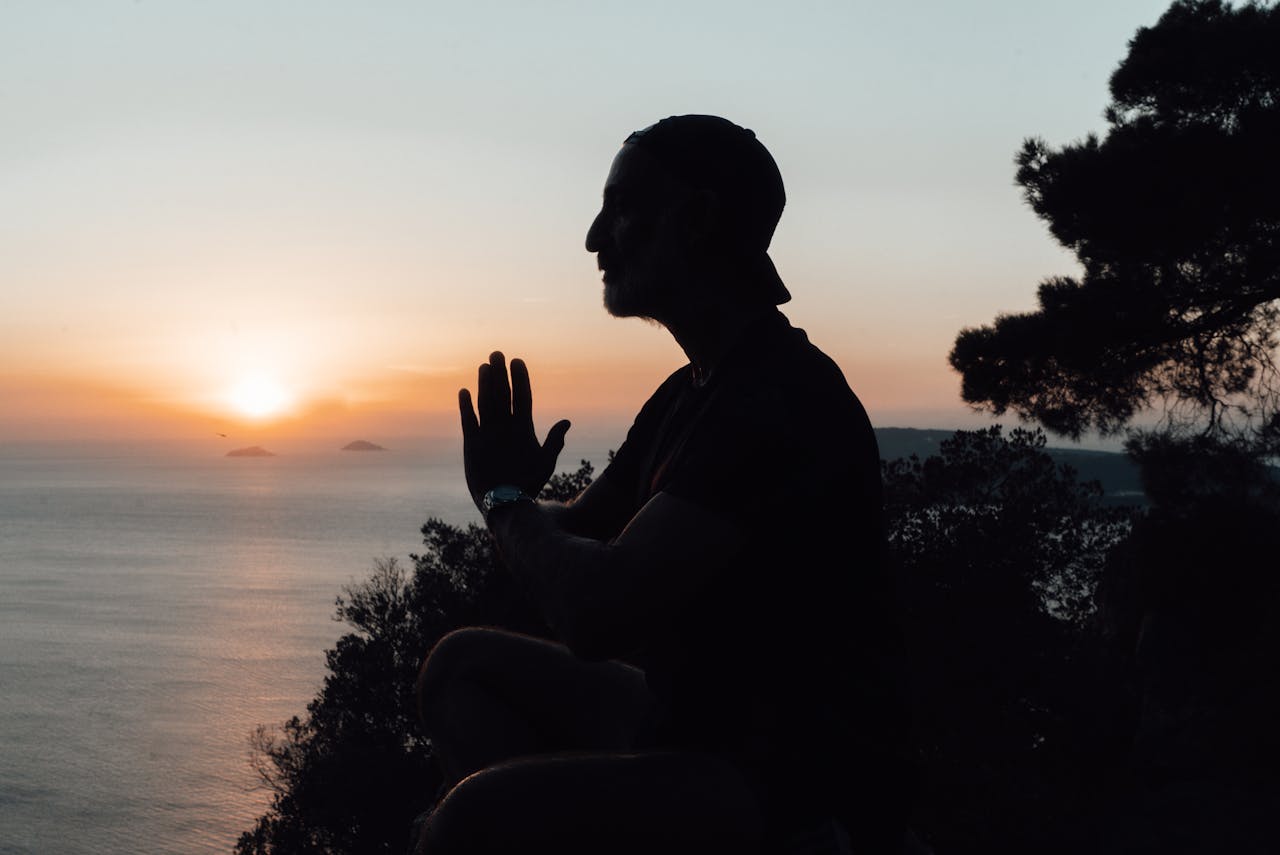
Meditation and mindfulness are among the most common morning rituals reported by successful people. Oprah Winfrey meditates for 20 minutes each morning. Arianna Huffington emphasizes setting intentions and practicing stillness before engaging with the outside world. Harvard happiness researcher Arthur Brooks includes meditation as a core pillar of his six-step morning protocol.
The science backs them up. Research from the National Institutes of Health confirms that regular mindfulness practice reduces anxiety and stress, improves self-awareness, and strengthens the ability to concentrate. People who meditate in the morning tend to stick with the habit longer than those who practice at other times of day.
How to apply this:
- Start with just five minutes. Sit quietly, focus on your breath, and let thoughts pass without judgment.
- Apps like Headspace or Calm can guide you if you’re a beginner.
- Pair meditation with your morning coffee or post-exercise cool-down to anchor the habit.
5. They Set Clear Priorities for the Day
Highly productive people don’t just react to whatever lands in their inbox. They decide what matters before the noise begins. This is one of the most practical productivity tips you can adopt right away.
Research shows that adults make an estimated 33,000 to 35,000 decisions each day. That’s exhausting. By identifying your top two or three priorities each morning — before email, before meetings, before anyone else’s agenda crowds yours — you preserve mental energy for what actually moves the needle.
A Forbes survey from recent years found that 68% of leaders avoid screens for the first hour of their day specifically to protect this planning time.
How to apply this:
- Write down your top three priorities for the day in a notebook or planner.
- Ask yourself: “If I could only accomplish one thing today, what would make the biggest difference?”
- Keep your phone on “Do Not Disturb” during your morning routine to guard this time.
6. They Feed Their Minds Early

From Warren Buffett to Bill Gates, many of the world’s most accomplished people prioritize morning self-improvement through reading or learning. Buffett reportedly spends five to six hours a day reading. Gates reads about 50 books a year. They don’t wait for “free time” to learn — they build it into the first hours of their day.
You don’t need to read for hours. Even 15 to 20 minutes of focused reading each morning — whether it’s a book, an industry newsletter, or a research paper — compounds dramatically over time. That’s roughly 20 books a year if you read just 25 pages each morning.
How to apply this:
- Keep a book on your nightstand or breakfast table so it’s the first thing you see.
- Replace your morning social media scroll with 15 minutes of reading.
- Audiobooks and podcasts count too — listen during your commute or morning walk.
7. They Eat a Nutritious Breakfast (or Fast Intentionally)
The relationship between morning routines and nutrition is more nuanced than “breakfast is the most important meal of the day.” Some high performers eat a protein-rich meal first thing. Richard Branson starts with fruit and muesli. Tim Ferriss emphasizes high-protein breakfasts for sustained energy and focus.
Others, like Twitter co-founder Jack Dorsey, practice intermittent fasting. Research from Dr. Satchin Panda at the Salk Institute suggests that giving your body at least an hour after waking before eating can improve digestion and blood glucose regulation.
A Danish study reported that a protein-rich breakfast can increase satiety — meaning you’re less likely to snack impulsively — and boost cognitive performance through improved concentration. Meanwhile, research from West Virginia University found that regularly eating breakfast with adequate fiber was associated with a significant reduction in all-cause mortality.
How to apply this:
- If you eat breakfast, prioritize protein and fiber: eggs, oats, Greek yogurt, or a smoothie with greens.
- If you prefer fasting, be intentional about it—don’t just skip breakfast because you’re rushed.
- Avoid sugary cereals and pastries that spike blood sugar and lead to mid-morning crashes.
Build Your Own Morning Routine for Success
Here’s what stands out when you study the morning routines of highly successful people: there’s no single perfect formula. Tim Cook’s 3:45 a.m. wake-up call isn’t for everyone, and it doesn’t need to be. What these achievers share is intentionality — they’ve designed their mornings around what gives them energy, clarity, and purpose.
The seven habits we’ve covered — waking early, moving your body, hydrating, practicing mindfulness, setting priorities, reading, and eating well — aren’t complicated. They don’t require expensive equipment or hours of free time. They just require commitment.
So don’t try to overhaul everything at once. Pick one or two healthy morning habits from this list that resonate with you. Practice them consistently for three weeks. Then add another. Small, deliberate changes compound into remarkable results over time.
As Tim Ferriss puts it: “If you win the morning, you win the day.” Your mornings are yours to design. Start tomorrow.