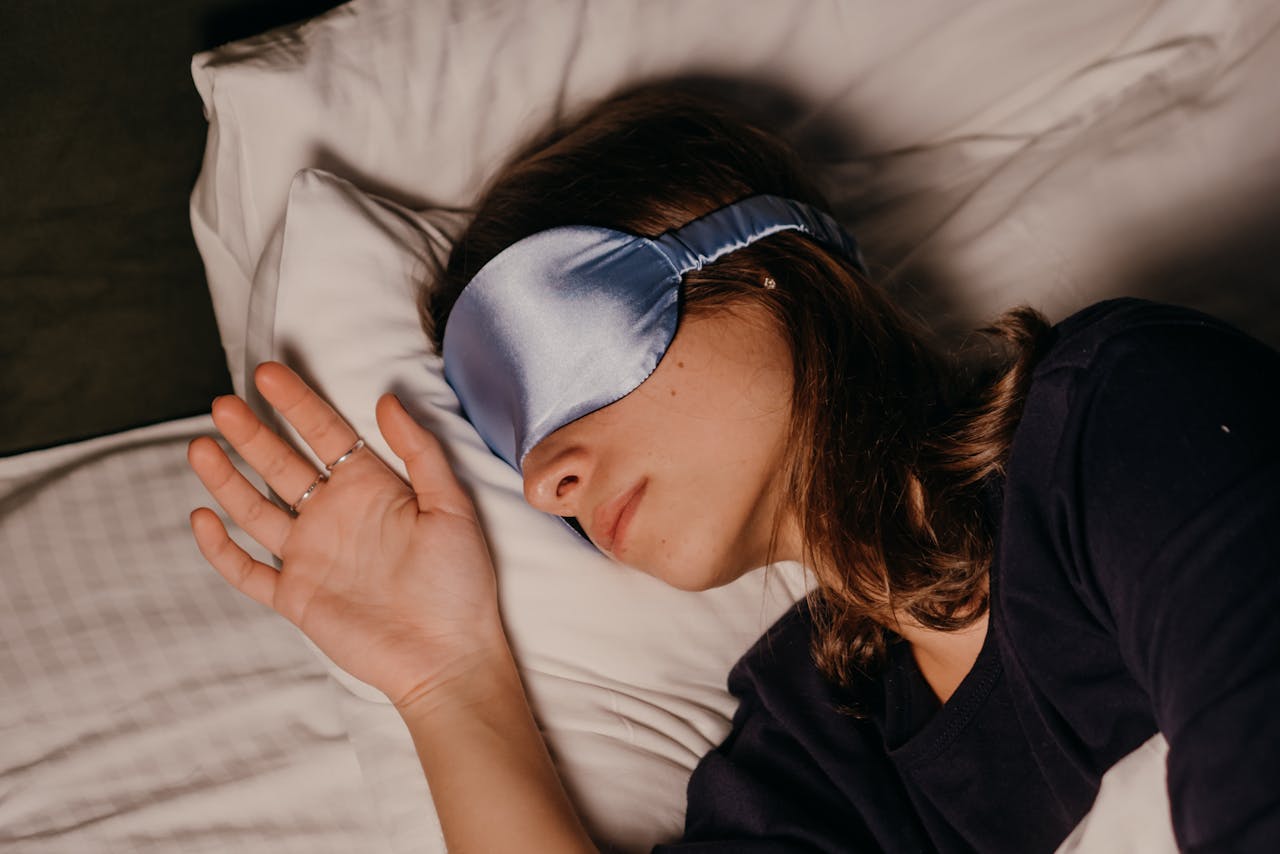
You know the feeling. You’ve been exhausted all day, and the moment your head hits the pillow, your brain decides it’s time to replay every awkward thing you said in 2014. Sound familiar?
You’re not alone. According to the CDC, roughly one in three American adults don’t get the recommended seven or more hours of sleep per night. And for many of us, the problem isn’t that we’re refusing to go to bed — it’s that we can’t seem to fall asleep or stay asleep once we get there.
Here’s the good news: what you do in the hours before bed matters just as much as what happens after lights out. Building the right evening habits for better sleep can shorten the time it takes you to drift off, reduce nighttime waking, and help you increase deep sleep naturally. No supplements, no expensive gadgets — just practical changes rooted in real science.
Below, you’ll find 13 evidence-based tips for better sleep you can start using tonight.
1. Set a Consistent Bedtime (and Actually Stick to It)
This one sounds boring, but consistency is the single most powerful lever you can pull. Going to bed and waking up at roughly the same time every day — including weekends — reinforces your body’s internal clock, known as the circadian rhythm.
The Mayo Clinic recommends sticking to a consistent sleep–wake schedule as one of its top sleep strategies. When your circadian rhythm is well-regulated, your brain knows when to ramp up melatonin production, and you’ll find yourself feeling naturally drowsy at the right time.
Pick a bedtime that gives you at least seven hours of sleep and protect it the way you’d protect a morning meeting.
2. Power Down Screens 60–90 Minutes Before Bed
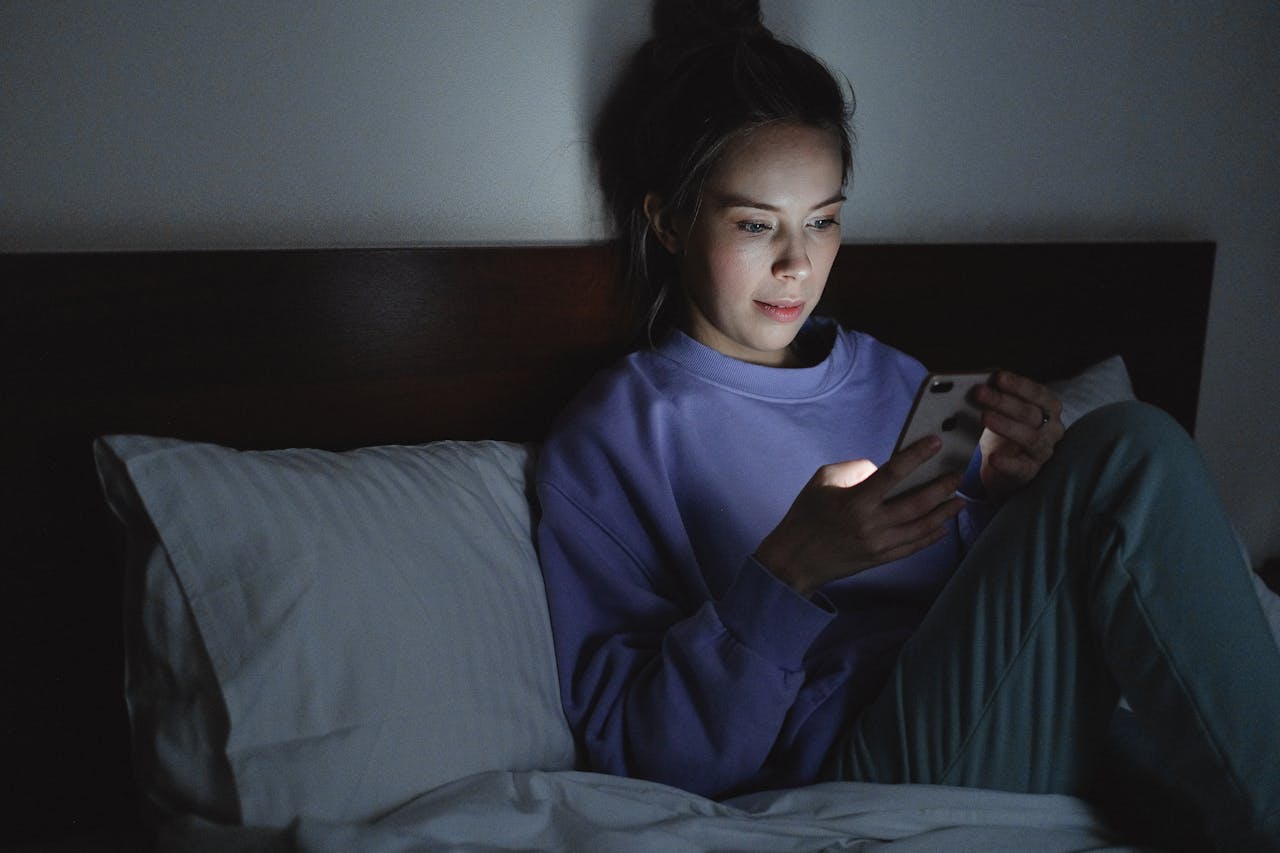
You’ve probably heard this one before, but it bears repeating — because most of us still don’t do it. Research from the Sleep Foundation confirms that the blue light emitted by phones, tablets, and laptops suppresses melatonin production and disrupts circadian timing.
A 2017 study from the University of Haifa found that blue light exposure before bed significantly increased nighttime awakenings compared to red or dim light.
It’s not just the light, either. Scrolling social media or reading the news keeps your brain in alert mode. If you struggle to disconnect, try setting a firm “screens off” alarm on your phone. Ironic? Sure. Effective? Absolutely.
3. Create a Wind-Down Ritual
Think of it as a signal to your nervous system: we’re done for the day. Your evening routine for better sleep doesn’t have to be elaborate. It just needs to be repeatable. Read a few pages of a book. Do some light stretching. Listen to calming music or an audiobook.
The key is doing the same activities in the same order every night. Over time, your brain learns to associate these cues with sleep — almost like a mental off-switch.
4. Take a Warm Bath or Shower
This one is backed by surprisingly solid science. A meta-analysis published in Sleep Medicine Reviews analyzed 17 studies and found that a warm bath or shower (around 104–109°F) taken one to two hours before bed reduced the time it took participants to fall asleep by an average of 36%.
How does it work? The warm water draws blood to the surface of your skin. Once you step out, your core body temperature drops rapidly, which mimics the natural temperature dip your body uses as a signal to initiate sleep. Researchers at the University of Texas at Austin found that the ideal timing is about 90 minutes before bedtime.
5. Keep Your Bedroom Cool, Dark, and Quiet
Your sleep environment is non-negotiable. The ideal bedroom temperature for sleep sits between 60–67°F (15–19°C). Darkness signals your brain to produce melatonin, so invest in blackout curtains or a quality sleep mask if streetlights seep in.
Noise is the other enemy. If you can’t control ambient sound — traffic, neighbours, snoring partners — try a white noise machine or earplugs. Even a basic fan can make a noticeable difference.
6. Watch What You Eat (and When)

Eating a heavy meal right before bed forces your digestive system to work overtime, which can lead to discomfort, heartburn, and fragmented sleep. The American Academy of Sleep Medicine advises avoiding large meals close to bedtime as part of healthy sleep hygiene.
But it’s not just about what you avoid. A 2025 study from the University of Chicago and Columbia University found that participants who ate five cups of fruits and vegetables during the day experienced roughly 16% better sleep quality that same night.
So your dinner choices matter too — choose lighter, nutrient-rich meals in the evening, and you’ll feel the difference.
7. Cut Caffeine by Early Afternoon
Caffeine has a half-life of about five to six hours, meaning half the caffeine from your 3 p.m. latte is still circulating at 9 p.m. For people wondering how to sleep better at night naturally, this is often the lowest-hanging fruit.
Set a personal caffeine cut-off. For most people, noon to 2 p.m. works well. And don’t forget that caffeine hides in unexpected places: chocolate, certain teas, some pain relievers, and even decaf coffee (which still contains small amounts).
8. Be Strategic About Alcohol
A glass of wine might help you feel sleepy, but alcohol is a sneaky sleep saboteur. As MD Anderson’s Sleep Center director has explained, alcohol acts as a sedative initially, but it causes an alerting effect in the second half of the night as it leaves your system. It also relaxes the airway, which can worsen snoring and sleep apnea.
If you drink, try to finish your last glass at least four to six hours before bed. Better yet, experiment with alcohol-free evenings and notice the difference in how you feel the next morning.
9. Move Your Body — But Time It Right
Regular exercise is one of the most effective ways to increase deep sleep naturally. A 2025 survey by the American Academy of Sleep Medicine found that 46% of adults reported that evening exercise improved their sleep. The caveat? Vigorous exercise too close to bedtime can leave you wired.
Aim to finish high-intensity workouts at least two to three hours before you plan to sleep. Gentle yoga, walking, or stretching in the evening, on the other hand, can actually help calm the nervous system and prepare you for rest.
10. Try a Brain Dump or Journaling Session
Racing thoughts are one of the top reasons people lie awake. A simple fix? Spend five minutes writing down everything on your mind before bed. Tomorrow’s to-do list, worries, random thoughts — get them out of your head and onto paper.
Research published in the Journal of Experimental Psychology found that writing a specific to-do list for the next day helped participants fall asleep significantly faster than journaling about completed tasks. It’s the act of offloading that frees up mental space.
11. Practice Breathing or Relaxation Techniques
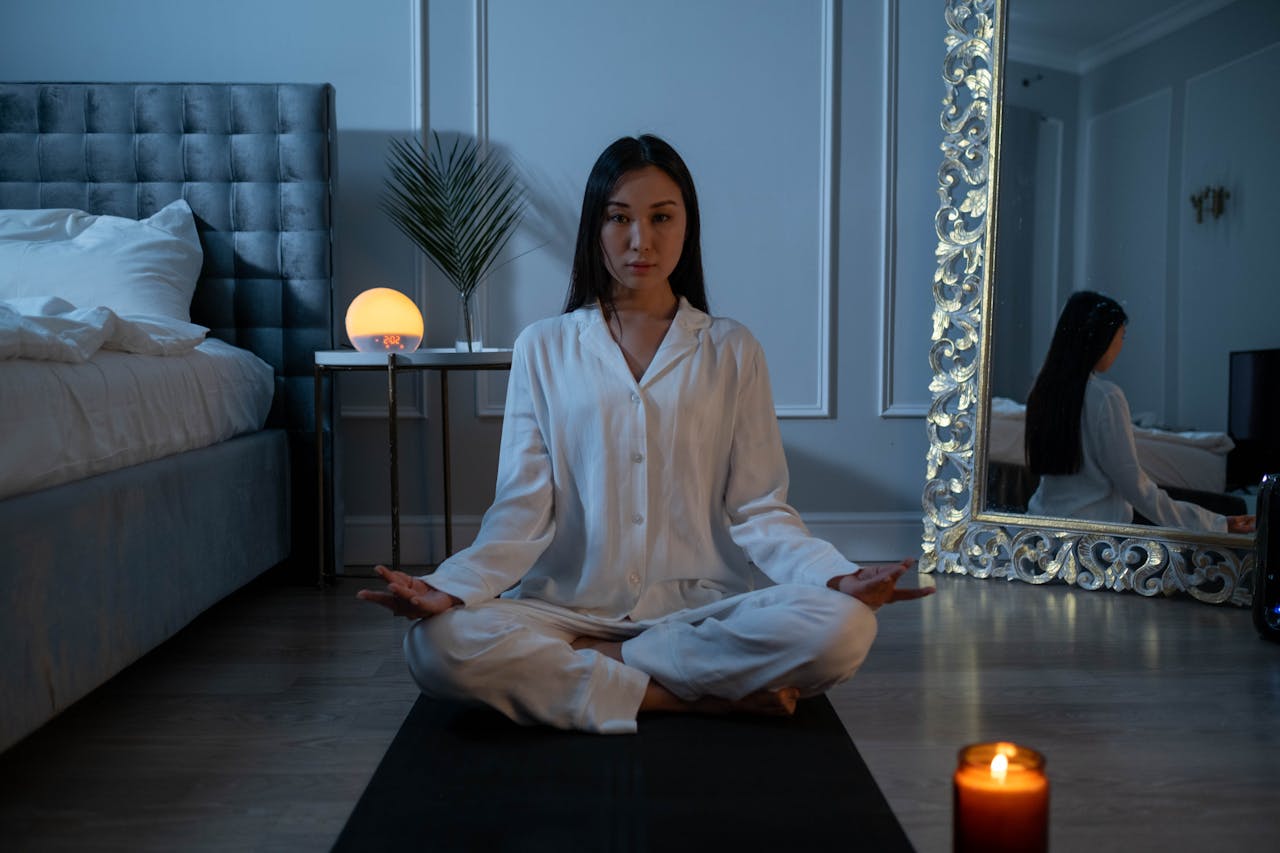
Deep breathing exercises, progressive muscle relaxation, and guided meditation aren’t just buzzwords — they activate the parasympathetic nervous system, your body’s natural “rest and digest” mode.
One well-known method is the 4-7-8 technique: inhale for 4 seconds, hold for 7, exhale slowly for 8. It sounds simplistic, but doing this for even two to three minutes can lower your heart rate and ease tension. There are also plenty of free guided sleep meditations available through apps and streaming platforms.
12. Get Morning Light (Yes, This Counts as an Evening Habit)
Wait — a morning habit in an evening sleep article? Hear me out. Exposure to bright natural light in the morning helps anchor your circadian rhythm, which determines when you start feeling sleepy at night. As Harvard Health has noted, bright daytime light exposure boosts your ability to sleep at night while also improving daytime mood and alertness.
If you want to feel genuinely tired at 10 p.m., start by getting 15–30 minutes of sunlight before noon. It’s one of those tips for better sleep that pays dividends hours later.
13. Reserve Your Bed for Sleep Only
This is a principle from cognitive behavioural therapy for insomnia (CBT-I), which is considered the gold standard for treating chronic sleep issues. The idea is straightforward: if you only use your bed for sleep, your brain begins to associate that space exclusively with rest.
That means no working from bed, no scrolling through your phone, and ideally, no watching TV under the covers. If you can’t fall asleep within 20 minutes, the Mayo Clinic recommends getting up, doing something quiet in another room, and returning when you feel drowsy.
Putting It All Together: Your Evening Routine for Better Sleep
You don’t need to overhaul your entire life tonight. Start with two or three of these evening habits for better sleep and build from there. Maybe you begin by setting a consistent bedtime and putting your phone in another room an hour before you turn in. Once those feel natural, layer in a warm shower, a brief journaling session, or some breathing exercises.
The research is clear: small, consistent changes to your evening routine add up over time. You don’t need a perfect night every night — you just need a system that tilts the odds in your favour.
If you’ve tried everything on this list and you’re still struggling, don’t ignore it. Persistent sleep problems can signal underlying conditions like sleep apnea or restless leg syndrome. Talk to your doctor or visit an accredited sleep centre for a professional evaluation.
Because here’s the thing: you deserve to wake up feeling rested. And with the right habits in place, that’s a completely realistic goal.