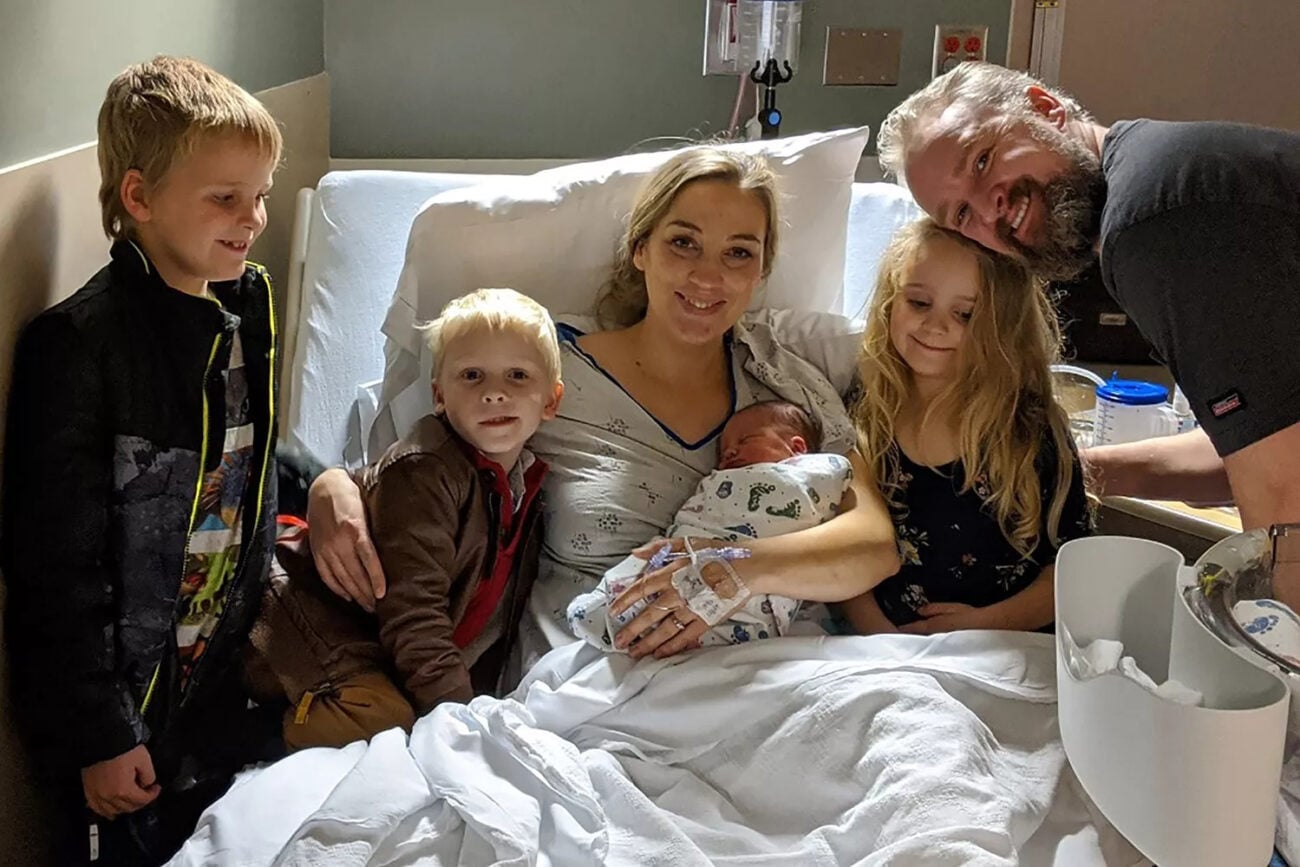
Most parents leave the hospital with a baby in their arms and a whole new chapter ahead of them. Kathleen Thorson left behind something far more extraordinary — the gift of life itself, given not once, but twelve times over.
In late December 2019, Kathleen and her husband Jesse welcomed their fourth child, a boy named Teddy, at their home base of Medford, Oregon. Days later, Kathleen suffered a sudden intracerebral hemorrhage — bleeding inside her brain — and was rushed to the hospital. Doctors performed emergency surgery, but it wasn’t enough. She was 34 years old.
What happened next, though, turned one family’s worst nightmare into a lifeline for a dozen strangers. Kathleen had always known she wanted to be an organ donor. And when the time came, her family honored that wish without hesitation.
Her organs went on to help 12 people. Twelve.
This isn’t just a story about grief. It’s about what becomes possible when one person’s compassion outlives them.
Who Was Kathleen Thorson?
Before she became a headline, Kathleen was a stay-at-home mom, a wife, a college graduate, and — by every account — someone who led with kindness.
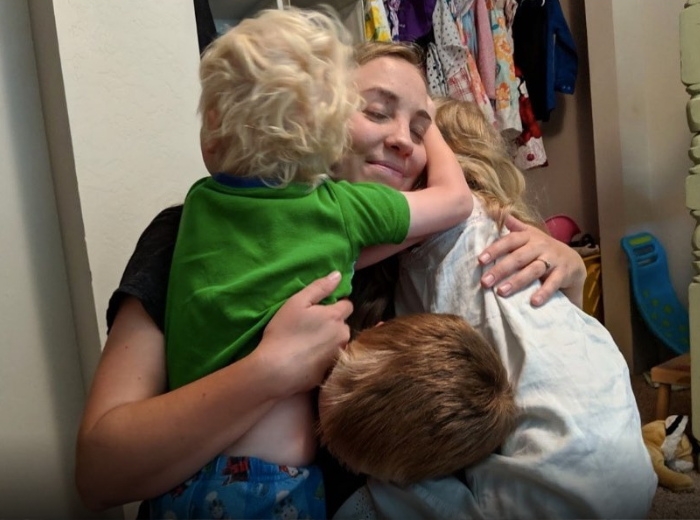
She and Jesse were high school sweethearts. They met on the first day of school when Jesse was a junior. They married in September 2006 and went on to earn graduate degrees together at the University of Kent in Canterbury, England. When their first son Danny arrived six weeks early, Kathleen told Jesse she wanted to be home full-time with her kids. That was her calling.
Jesse, who became a nurse, later told ABC News that Kathleen loved baking pies, being outdoors, and connecting with the people around her. He described a woman whose heart was wide open — someone who never met a person she couldn’t find a way to care about.
That generosity didn’t end with her death. It expanded.
The Decision That Changed 12 Lives
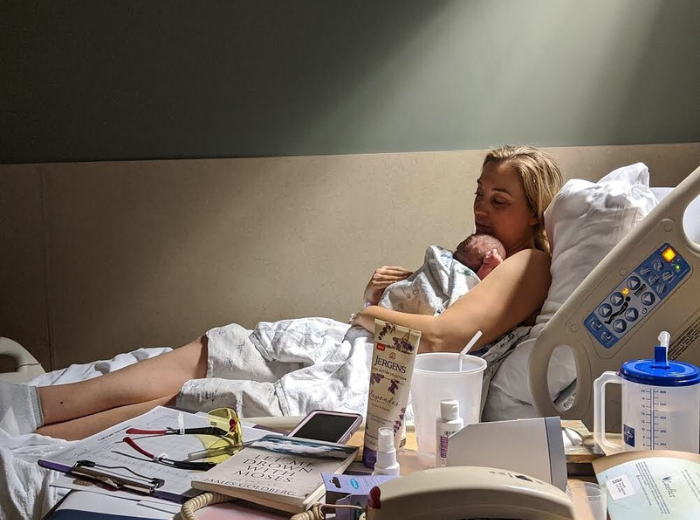
After Kathleen’s condition worsened and it became clear she wouldn’t recover, the family faced a choice no one wants to make. But they already knew the answer. Kathleen had talked about organ donation before. She’d registered as a donor. Her parents and sister supported the decision completely.
Medical teams coordinated with the local organ procurement organization to assess what could be donated. Within days, 12 of Kathleen’s organs were matched with patients on the national transplant waiting list — people whose lives quite literally depended on someone else’s generosity.
Jesse later told reporters that while the loss was crushing, knowing Kathleen helped others brought the family a sense of pride. His seven-year-old son Danny even told his first-grade class that his mom “helped people.”
That sentence — from a child who’d just lost his mother — says more than any statistic ever could.
Why Organ Donation Matters More Than You Think
Here’s where the bigger picture comes into focus. According to the U.S. Department of Health and Human Services, more than 103,000 men, women, and children are currently waiting for organ transplants in the United States. Every eight minutes, another name gets added to that list. And every day, roughly 13 people die because a matching organ didn’t arrive in time.
Those aren’t abstract numbers. They’re parents, siblings, coworkers, neighbors. People with plans for next weekend who might not make it to Friday.
A single deceased organ donor can save up to eight lives through heart, lung, liver, kidney, pancreas, and intestine transplants. When you factor in tissue and cornea donations, Donate Life America estimates one donor can heal more than 75 people. In Kathleen’s case, she exceeded the average — her 12 donated organs reached people across the country who had been waiting, sometimes for years, for exactly this kind of chance.
The U.S. made strides in 2025, with more than 49,000 organ transplants performed nationwide, according to data from UNOS (United Network for Organ Sharing). But deceased organ donations actually dipped slightly that same year, falling by about 2.5%. The gap between supply and demand isn’t closing — it’s widening.
Common Myths That Stop People From Signing Up
One of the biggest barriers to organ donation isn’t logistics. It’s misinformation. Let’s clear up some of the most common myths that keep people from registering:
- “Doctors won’t try as hard to save my life.” This is flat-out false. The medical team treating you is entirely separate from the transplant team. Donation only becomes a consideration after every lifesaving effort has been exhausted.
- “I’m too old or too sick to donate.” Age doesn’t disqualify you. The oldest organ donor on record was 98. Your medical condition at the time of death determines what can be donated — not your age or health history when you register.
- “My family will be stuck with the bill.” There’s no cost to the donor’s family. Insurance or the transplant recipient’s coverage handles donation-related expenses.
- “I can’t have an open-casket funeral.” You absolutely can. The donor’s body is treated with care and respect throughout the process, and an open casket remains possible.
These myths persist because people don’t talk about organ donation enough. And that silence has real consequences.
How to Register as an Organ Donor (It Takes Minutes)
If Kathleen’s story moves you — and it should — here’s the good news: signing up is one of the simplest things you’ll ever do. You don’t need a doctor’s appointment or a blood test. You just need a few minutes.
There are three main ways to register in the United States:
Through your state’s donor registry. Visit organdonor.gov/sign-up and select your state. You’ll be directed to your local registration page.
At the DMV. When you apply for or renew your driver’s license, you’ll typically be asked if you’d like to register as a donor. Check the box.
Through the National Donate Life Registry. Head to RegisterMe.org to sign up online in minutes. iPhone users can also register through the Health app.
Once you’ve registered, do one more thing that matters just as much: tell your family. Let them know your wishes so they’re prepared to support your decision if the time ever comes. As Jesse Thorson shared, knowing Kathleen’s wishes in advance made a devastating situation just a little more bearable.
The Ripple Effect of a Single Decision
It’s easy to think of organ donation in clinical terms — surgeries, waiting lists, procurement organizations. But the real impact is deeply human.
When Kathleen’s heart went to a patient with severe cardiac disease, that person got to go home to their family. When her kidneys reached recipients who’d spent years on dialysis, those people got their independence back. Twelve separate lives, twelve separate stories — all connected to one woman in Medford, Oregon who believed in helping others.
Family friend Richard Stubbs, who launched a GoFundMe that raised over $120,000 for the Thorsons, described Jesse’s ability to honor Kathleen’s wishes despite his grief as remarkable. Jesse himself put it simply: knowing about the recipients would continue to lift the family in the years ahead.
That’s the ripple effect. One decision doesn’t just save one life — it radiates outward into families, communities, and futures that would otherwise be cut short.
What Kathleen’s Legacy Teaches Us
There’s a tension at the heart of this story that’s hard to sit with. A baby was born. A mother died. And somewhere in between, 12 people got a second chance they weren’t sure was coming.
We don’t choose how our stories end. But Kathleen’s family chose to make hers mean something beyond the grief. That’s not a small thing.
Right now, more than 100,000 people across the country are waiting for a transplant. Roughly 90% of American adults say they support organ donation, yet according to the Health Resources and Services Administration, only about 60% have actually signed up. That gap — between intention and action — is where lives are lost.
Closing it doesn’t require grand gestures. It requires a conversation with your family, a two-minute visit to a registration site, and a willingness to think about something most of us would rather avoid.
Kathleen Thorson didn’t set out to be a symbol for organ donation. She set out to be a good mother, a loving partner, and a kind person. It just turned out that those qualities mattered most at the very end — and they kept right on mattering after she was gone.
If you haven’t registered as an organ donor yet, today’s a good day for it.